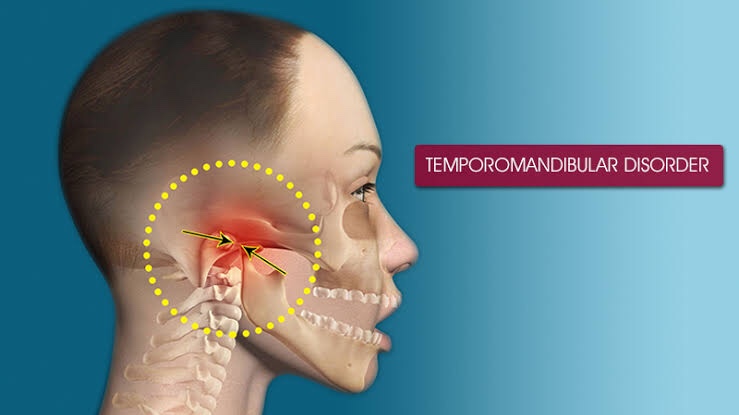
TMD: They are the most common cause of facial pain after toothache.
🔹 Classification:
- TMD secondary to Myofacial pain dysfunction syndrome(MPDS)
- TMD secondary to true articular disease
🔹Etiology:
1) MPDS –
- Malocclusion
- Jaw clenching
- Bruxism
- Personality disorders
- Stress & Anxiety
- Increased pain sensitivity
2) Articular disease –
- Disk displacement disorder
- Degenerative joint disorders
- Rheumatoid Arthritis, Ankylosis
- Dislocation
- Infection
- Neoplasia
🔹Clinical Features:
➡️ The clinical manifestations in MPDS :
- Pain without destructive changes of TMJ on radiograph
- Tenderness
- Spasm of Masticatory Muscles (Temporalis, Masseter, Lateral & Medial pterygoids)
- Muscle hyperactivity & dysfunction due to malocclusion
➡️ Age: Young women (20-40 years); M:F – 1:4
➡️ 4 cardinal signs & symptoms of the syndrome:
- Pain (Periauricular, with chewing & radiate to head)
- Muscle tenderness
- Clicking/popping noise in TMJ
- Limitation of jaw motion
➡️ Pain: Dull type
- unilateral/bilateral in MPDS
- unilateral in articular origin except Rheumatoid Arthritis
➡️ Symptoms:
- Otalgia
- Neck pain
- Shoulder pain
- Dizziness
🔹Radiograph shows👇🏻
- Erosion
- Bony sclerosis
- Osteophytes
- Condylar-glenoid fossa remodelling
CT Scan – Material injected into joint cavity.
MRI – Articular pathology
Surgical – Traumatic TMD
Arthroscopy – Internal TMJ derangements
🔹Lab Diagnosis:
- Blood count to rule out any infection
- Rheumatoid Arthritis – Rheumatoid factor, ESR, Anti-nuclear antibody
- Gout – Uric acid levels
🔹Differential Diagnosis:
- Clustre/Migraine headache
- Temporal/Giant cell arteritis
- Post herpetic neuralgia
- Trigeminal Neuralgia
- Middle ear infections
🔹Treatment options for TMD:
• Self-care practices & conservative approach, surgical (last option)
• Basic treatments include –
- Apply moist heat or cold packs
- Eat soft foods, Do not chew gum
- Take medications – To avoid muscle pain and swelling; NSAID’s (Aspirin, Ibuprofen), Muscle relaxants (who clench teeth), Anti-anxiety drugs, Anti-depressants
- Use of night guards & splints
- Undergo corrective dental treatments
- Avoid extreme jaw movements
• Conservative –
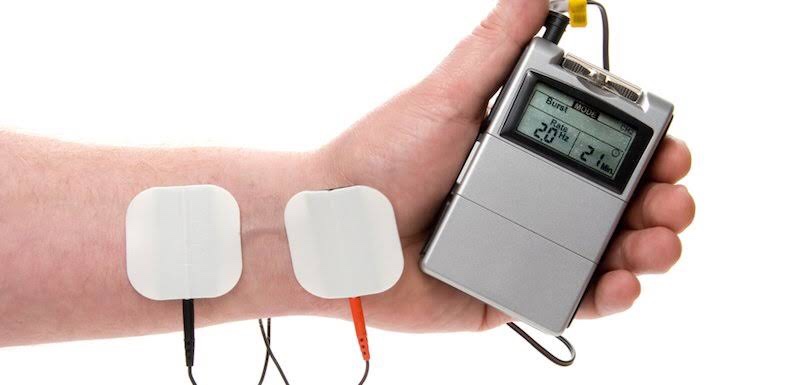
- TENS
- Ultrasound
- Trigger point injections
- Radiowave therapy
Dr. Mehnaz Memon🖊
References:
- https://www.nhs.uk/conditions/transcutaneous-electrical-nerve-stimulation-tens/
- https://www.epainassist.com/sports-injuries/head-and-face-injuries/tmd
- Image Source: Google
- Shafer’sTextbook Of Oral Pathology; Ghoms Oral Medicine

 Dentowesome